Arizona Women's Hall of Fame: Meet the Five Women Inducted in 2026
The Arizona Women's Hall of Fame inducted five women on Oct. 19, 2026. Meet the class, learn the Hall's rocky history and find out how to nominate someone.
The Arizona Women's Hall of Fame added five names on Monday, October 19, 2026, at Western Spirit: Scottsdale's Museum of the West (Arizona Women's Hall of Fame, 2026). A civil rights educator, the woman who sewed Arizona's first flag, a breast cancer advocate, a corporate trailblazer and an organizer who helped build the Hall itself. You probably weren't taught most of their names in school (we weren't either).
What the Arizona Women's Hall of Fame Is, and Why It Almost Disappeared
If you want to know whose history a state bothers to remember, look at who it inducts. The Hall says its job is to "honor, celebrate, and preserve the stories of exceptional Arizona women" (AzWHF, 2026), and this year's class shows that job is nowhere near finished. Our stance is simple: these five belong in the story Arizona tells about itself, and the Hall is one of the few places making sure they get there. Here's who joined, how the Hall got here and how you can nominate the woman you're already thinking of.
The Hall was established in 1980 by the Arizona Women's Commission, the Tucson Women's Commission and the office of Governor Bruce Babbitt, and it calls itself "the oldest organization in the state dedicated to honoring the many accomplishments of women" (AzWHF, About Us). The first ceremony, in 1981 at the Hyatt Regency in Phoenix, honored six women. A year later the Arizona State Library, Archives and Public Records took over the paperwork.
Then came the plot twist.
By 1991, sixty-three women had been inducted. That year the Selection Committee chose Margaret Sanger Slee, the birth control activist the rest of the country knows as Margaret Sanger. Legislators objected, "legislative support for the Arizona Women's Hall of Fame disappeared and the inductions ceased" (AzWHF, About Us). Nobody was inducted again until October 24, 2002.
It took until 2015 for the Hall to induct "two living women for the first time," and in 2018 it became a private nonprofit (AzWHF, About Us). So for 34 years, you basically had to be dead to get in. Progress, Arizona style.
| Year | What happened |
|---|---|
| 1980 | Hall established by two women's commissions and Gov. Bruce Babbitt's office |
| 1981 | First ceremony in Phoenix honors six women |
| 1991 | Sixty-three women inducted so far; legislators object to Margaret Sanger Slee and inductions stop |
| 2002 | Inductions resume on October 24 with three women |
| 2015 | First living women inducted |
| 2018 | Hall becomes a private nonprofit |
| 2026 | Five women inducted on October 19 in Scottsdale |
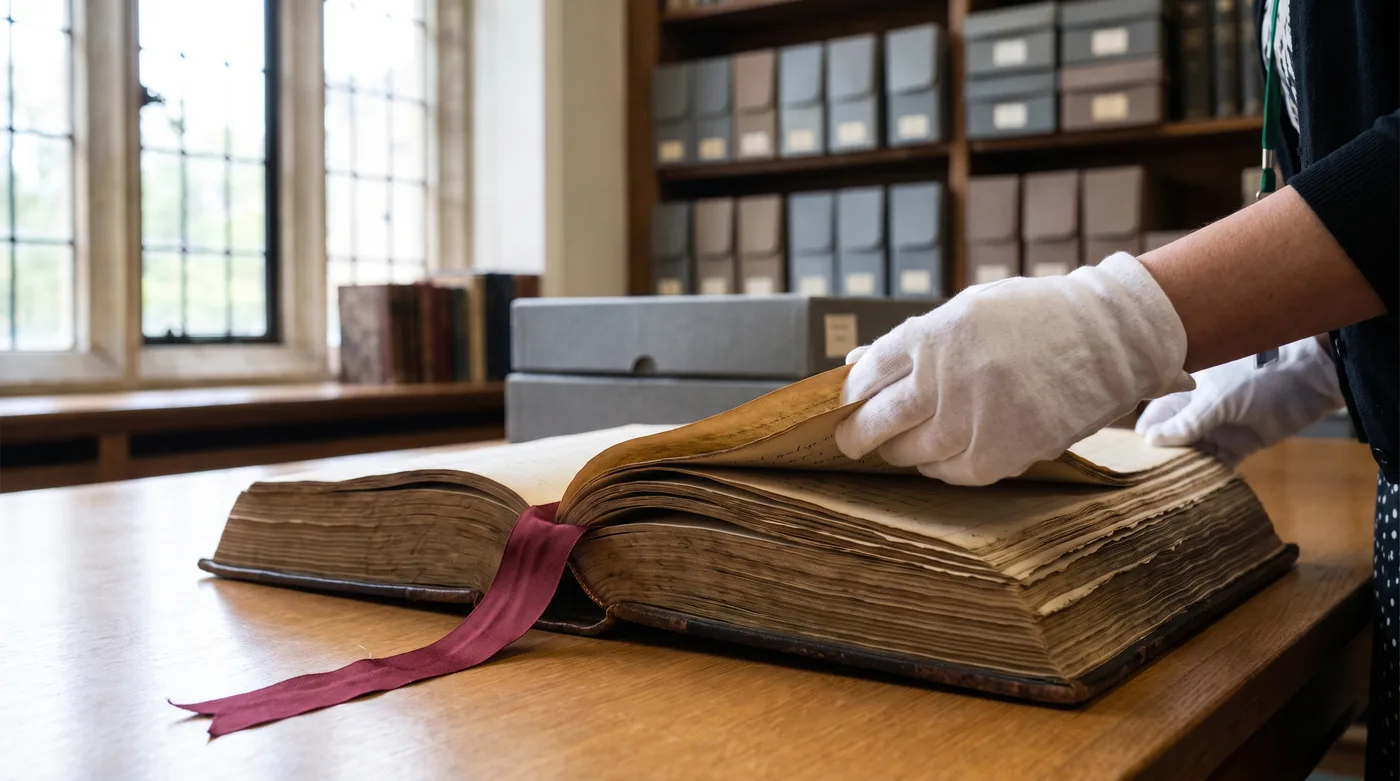
Arizona Women's Hall of Fame 2026 Inductees: The Contemporary Class
Three of the Arizona Women's Hall of Fame 2026 inductees are living women, honored in the Contemporary category. Each one spent decades doing the unglamorous work that makes headlines possible for other people. None of them did it for a plaque, which is exactly why they deserve one.
Paula Giangreco Cullison, Phoenix
Paula Cullison is a native New Yorker and the daughter of Italian immigrants who has spent more than 50 years volunteering for women and children. In 1985, with support from Gov. Babbitt, she created the Year for All Arizona Women, a statewide celebration with more than 100 events. In 2002 she and her husband, Tim, co-founded the Arizona Women's Partnership, an all-volunteer group that gives grants to Arizona charities (YWCA Metropolitan Phoenix, 2019).
After a breast cancer diagnosis in 1989, she joined the grassroots movement that formed the National Breast Cancer Coalition and lobbied Congress for research funding. She also served on the Phoenix Women's Commission, where she pushed for affordable day care for working women. And she's a photographer with dozens of exhibits from her travels (YWCA Metropolitan Phoenix, 2019).
Alison Marshall Hughes, Tucson
Born in Glasgow, Scotland, Alison Hughes came to the United States at 19 and went straight into the civil rights movement. She marched in the 1963 March on Washington and the 1968 Poor People's March, and in 1970s Tucson she backed the farmworkers' boycotts (University of Arizona Plaza of Honor, n.d.).
She was the third president of Tucson NOW and the first executive director of the Tucson Women's Commission, and she helped get the first women appointed to the Pima County bench. She also helped establish the Hall that just inducted her. Full circle. In her other career, at the University of Arizona's Rural Health Office, she helped create Arizona's first telemedicine system (University of Arizona Plaza of Honor, n.d.).
Daisy M. Bell Jenkins, Oro Valley
Daisy Jenkins started as a clerk at Hughes Aircraft Company and rose to vice president of human resources. At Raytheon she became the company's first director of global diversity, and in 2000 she became the first woman of color to hold a vice president position in the company's 70-year history (University of Arizona Law, 2022).
She earned her law degree from the University of Arizona in 1996, later led human resources at Carondelet Health Network and has run her own consulting firm since 2013. She wrote Within the Walls, a book about sexism and racism in corporate America, and she mentors young professionals and students (University of Arizona Law, 2022; UA Africana Studies, 2015).
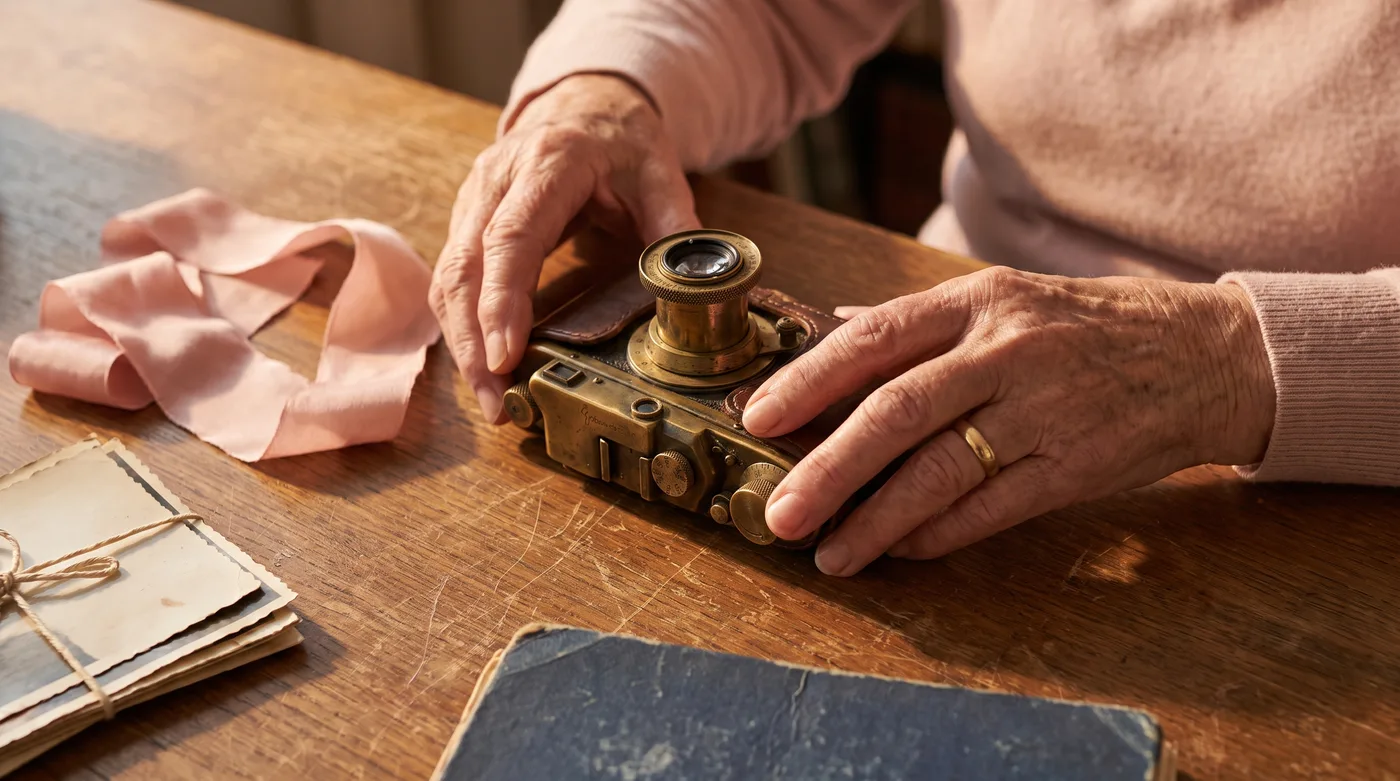
The Legacy Honorees: Two Women History Nearly Skipped
What happens to the women who did the work before anyone was keeping score? Sometimes, a century later, they finally get the plaque.
Dr. Laura Noble Banks-Reed, Tucson
Laura Banks-Reed was born in Tucson in 1921 and grew up in Barrio Anita, where Black families lived because they were shut out of white neighborhoods. As a child she attended Dunbar School, Tucson's segregated school for Black students. In 1943 she went back to teach there (Arizona Daily Star, 2023).
She earned a master's, an educational specialist degree and a Ph.D. in education from the University of Arizona, became a principal in 1969 and retired in 1982 as Tucson Unified's first Black assistant superintendent. Along the way she helped push the University of Arizona to let Black students use its swimming pool, served as the first woman president of the Tucson NAACP and led the Tucson YWCA twice. Laura N. Banks Elementary School carries her name. She died in 2023 at 101 (Arizona Daily Star, 2023).
Her own summary: "I just wanted to make the world I lived in a little bit better place."
May Hicks Curtis Hill, Flagstaff
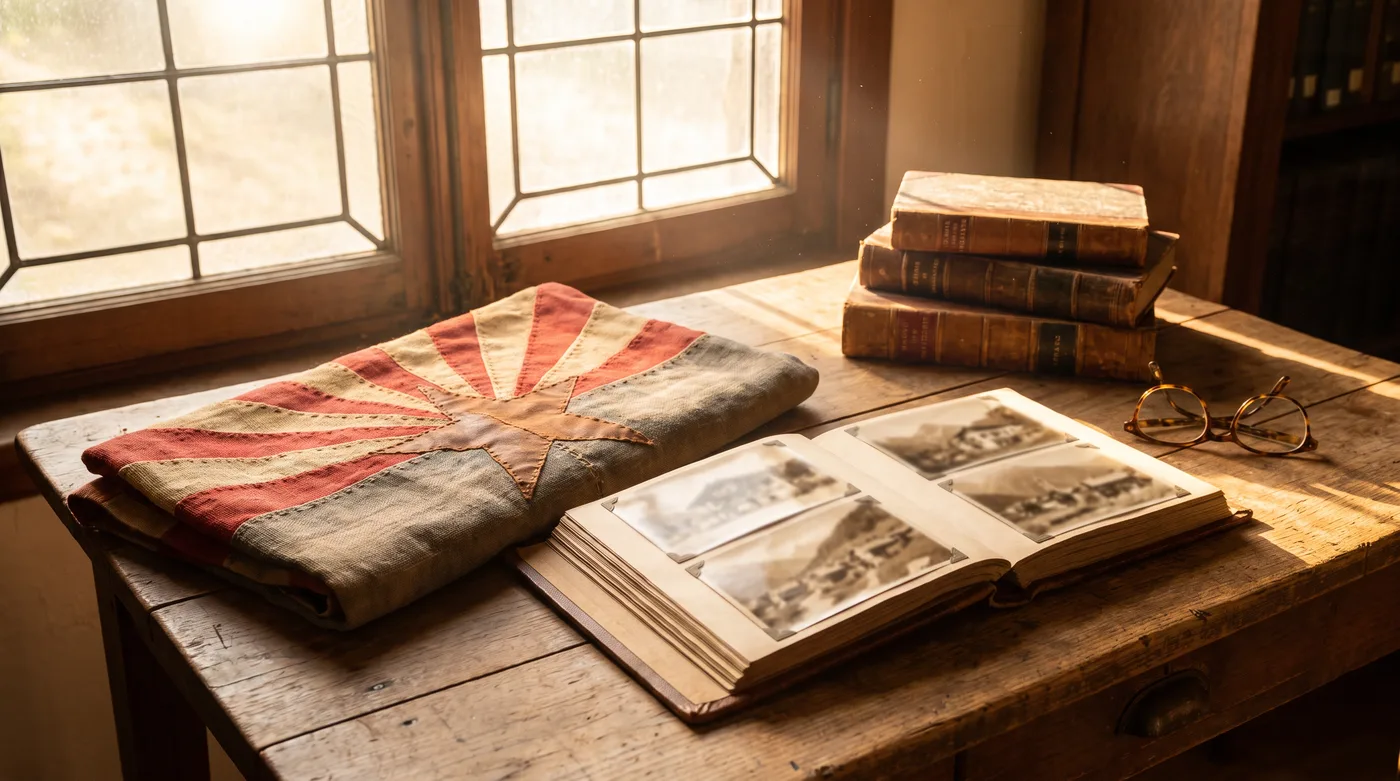
May Hicks graduated from Northern Arizona Normal School, the school that became Northern Arizona University, in 1905 (NAU Archives, n.d.). In 1911, before Arizona was even a state, she sewed the first Arizona flag at the request of her fiancé, Frank Curtis, who was on the Arizona National Guard rifle team. That earned her the nickname "the Betsy Ross of Arizona" (KJZZ, 2025).
She and her mother ran boarding houses in Flagstaff, and with Frank she built what is now the largest existing collection of pre-World War II photographs of the city. Her house was nearly torn down for apartments until the City of Flagstaff bought and moved it in 2025, the same year the National Trust for Historic Preservation named it one of America's 11 Most Endangered Historic Places (National Trust for Historic Preservation, 2025).
| Inductee | Category | Hometown | Known for |
|---|---|---|---|
| Paula Giangreco Cullison | Contemporary | Phoenix | Year for All Arizona Women; Arizona Women's Partnership; breast cancer advocacy |
| Alison Marshall Hughes | Contemporary | Tucson | Civil rights and women's rights organizing; rural health and telemedicine |
| Daisy M. Bell Jenkins | Contemporary | Oro Valley | Corporate HR and diversity leadership; author and mentor |
| Dr. Laura Noble Banks-Reed | Legacy | Tucson | Educator and civil rights leader in Tucson schools |
| May Hicks Curtis Hill | Legacy | Flagstaff | Sewed the first Arizona flag in 1911; Flagstaff photo archive |
Past Arizona Women's Hall of Fame Inductees Worth Knowing
This year's five join a list that already reads like the Arizona history course you deserved. A few names from the Hall's own inductee list:
- Sharlot Hall (historic preservation) and Lorna Lockwood (law) were in the very first class, in 1981.
- Frances Willard Munds (public service), inducted in 1982, led the campaign that put women's suffrage on Arizona's November 5, 1912 ballot, where "sixty-eight percent of voters" approved it. She then won a seat in the state Senate, "the third woman in the United States to hold that position" (Sharlot Hall Museum, n.d.).
- Sandra Day O'Connor (law) went in as a Contemporary honoree in 2015, the first year the Hall honored living women. She was "the first woman to serve on the Supreme Court," from 1981 to 2006 (Britannica, n.d.).
Rose Mofford, Arizona's first woman governor, followed in 2016 (AzWHF, Inductees; Governing, 2023). Nampeyo, honored for her art, has been on the list since 1986. If you want the national arc these women fit into, our women's rights timeline walks it year by year. And Arizona's habit of electing women hasn't stopped: see the women among the Arizona 2026 election candidates.
How to Nominate Someone for the Hall
You know a woman who belongs on this list. Maybe she ran the food bank for 30 years. Maybe she's your great-grandmother and her story is sitting in a shoebox. The Hall takes public nominations in two categories (AzWHF, Nominations):
- Contemporary: "Outstanding living women leaders may be nominated in any field of endeavor."
- Legacy: "Women leaders who have been deceased for more than two years may be nominated."
Fields include the arts, business, education, health, the humanities, law, public service, the sciences and volunteerism. Nominations for the 2026 class closed November 10, 2025, so if the pattern holds, the window for 2027 will be open this fall. Check the nominations page for the current form and selection criteria before you start.
A practical tip from us: start gathering now. Dates, newspaper clippings, letters, the name of the school or clinic or union she built. A Legacy nomination lives or dies on documentation, and the county historical society or the State Archives can help you find it. For a living nominee, ask the people she helped. Their stories are the evidence.

Why the Arizona Women's Hall of Fame Still Matters
Every one of these women did her work while the rules were written against her: segregated schools, corporate ladders with missing rungs, a Hall of Fame that only honored the dead and once shut down rather than honor a woman who fought for birth control.
That last part should sting a little. It stings us.
We're standing on their shoulders, and the least we can do is learn their names and add new ones. For the bigger picture of the rights they fought for, read our plain-language guide to women's rights in the United States.
Questions people ask
What is the Arizona Women's Hall of Fame?
It's a nonprofit, established in 1980, that honors women who shaped Arizona. It inducts living women as Contemporary honorees and women who have died as Legacy honorees. It became a private nonprofit in 2018.
Who are the Arizona Women's Hall of Fame 2026 inductees?
Paula Giangreco Cullison of Phoenix, Alison Marshall Hughes of Tucson and Daisy M. Bell Jenkins of Oro Valley (Contemporary), and Dr. Laura Noble Banks-Reed of Tucson and May Hicks Curtis Hill of Flagstaff (Legacy). They were inducted on October 19, 2026, at Western Spirit: Scottsdale's Museum of the West.
Which Arizona Women's Hall of Fame 2026 inductees are Legacy honorees?
Dr. Laura Noble Banks-Reed, a Tucson educator and civil rights leader who died in 2023 at 101, and May Hicks Curtis Hill of Flagstaff, who sewed the first Arizona flag in 1911. Legacy honorees must have died more than two years before nomination.
How many Arizona Women's Hall of Fame inductees are there?
The Hall's website lists every inductee but doesn't publish a running total. Its history page says sixty-three women had been inducted by 1991, before a pause that lasted until 2002, and classes have been added since.
Is Sandra Day O'Connor one of the Arizona Women's Hall of Fame inductees?
Yes. She was inducted as a Contemporary honoree in 2015, the first year the Hall honored living women. Rose Mofford, Arizona's first woman governor, followed in 2016.
How do I nominate someone for the Arizona Women's Hall of Fame?
Use the forms on azwhf.org/nominations. Living women go in the Contemporary category, and women who died more than two years ago go in Legacy. Nominations for the 2026 class closed November 10, 2025, so check the page for the current deadline.
References
- Arizona Women's Hall of Fame. (2026). Arizona Women's Hall of Fame. https://www.azwhf.org/
- Arizona Women's Hall of Fame. (n.d.). About us. https://www.azwhf.org/about-us
- Arizona Women's Hall of Fame. (n.d.). Inductees. https://www.azwhf.org/inductees
- Arizona Women's Hall of Fame. (n.d.). Nominations. https://www.azwhf.org/nominations
- YWCA Metropolitan Phoenix. (2019). Tribute advocacy honoree: Paula Cullison. https://ywcaaz.org/?p=25359
- University of Arizona Plaza of Honor. (n.d.). Alison Hughes. https://plaza.sbs.arizona.edu/honoree/2191
- University of Arizona Law. (2022). Three esteemed University of Arizona Law alumni receive 2022 Lifetime Achievement Award. https://law.arizona.edu/news/2022/09/three-esteemed-university-arizona-law-alumni-receive-2022-lifetime-achievement-award
- University of Arizona Africana Studies. (2015). Meet the 2015 Africana Studies Distinguished Service Award recipient Daisy M. Jenkins. https://africana.arizona.edu/news/meet-2015-africana-studies-distinguished-service-award-recipient-daisy-m-jenkins
- Arizona Daily Star. (2023). Laura Banks-Reed was devoted to education equity in Tucson. https://thisistucson.com/news/local/education/laura-banks-reed-was-devoted-to-education-equity-in-tucson/article_74598532-e55f-11ed-a3fb-2f8d2e006a04.html
- Northern Arizona University Archives. (n.d.). May Hicks Curtis Hill. https://ac.nau.edu/omeka-s/s/women-warriors-at-the-fort-tuthill-military-museum-the-role-of-women-in-the-arizona-national-guard/item/2340
- KJZZ. (2025). House built by Betsy Ross of Arizona saved from demolition in Flagstaff. https://www.kjzz.org/fronteras-desk/2025-05-20/house-built-by-betsy-ross-of-arizona-saved-from-demolition-in-flagstaff
- National Trust for Historic Preservation. (2025). May Hicks Curtis House. https://savingplaces.org/places/may-hicks-curtis-house
- Sturgeon, M. (n.d.). Frances Willard Munds: Consummate strategist. Sharlot Hall Museum. https://archives.sharlothallmuseum.org/articles/days-past-articles/1/frances-willard-munds-consummate-strategist
- Encyclopaedia Britannica. (n.d.). Sandra Day O'Connor. https://www.britannica.com/biography/Sandra-Day-OConnor
- Governing. (2023). In the desert, history blooms as Arizona tops records with a fifth female governor. https://www.governing.com/now/in-the-desert-history-blooms-as-arizona-tops-records-with-a-fifth-female-governor