

Project 2025 Video Games: The Impact to Gamers and Developers

Let me be straight with you—when I first heard about Project 2025 potentially targeting video games, I thought it was just another internet rumor. But after digging through the actual document and talking to industry insiders, I’m genuinely concerned about what this could mean for our gaming future. Whether you’re a casual mobile gamer, a hardcore PC enthusiast, or someone making a living in game development, these proposed changes could fundamentally alter how we play, create, and connect through games. And no, I’m not being dramatic—the implications are real, they’re significant, and they’re coming faster than a speedrunner on their best day.
Key takeaways
- Project 2025 doesn’t explicitly ban video games but proposes content restrictions that could effectively cripple many popular titles
- Gaming content moderation would shift from industry self-regulation to government oversight with severe penalties
- The economic impact could devastate the $180 billion U.S. gaming industry and eliminate thousands of jobs
- International developers might abandon the U.S. market entirely rather than comply with restrictive regulations
How to cite this article: McLeod, L. 2026. On the Shoulders of Medusa. Project 2025 Video Games: The Impact to Gamers and Game Developers. www.ontheshouldersofmedusa.com/article/project-2025-video-games-impact-gamers-developers
What this means for you
You boot up your favorite online game only to find half the content missing, your friends list wiped, and a government-mandated “values assessment” before you can even reach the main menu.
Sounds like dystopian fiction?
Welcome to the potential reality of gaming under Project 2025.
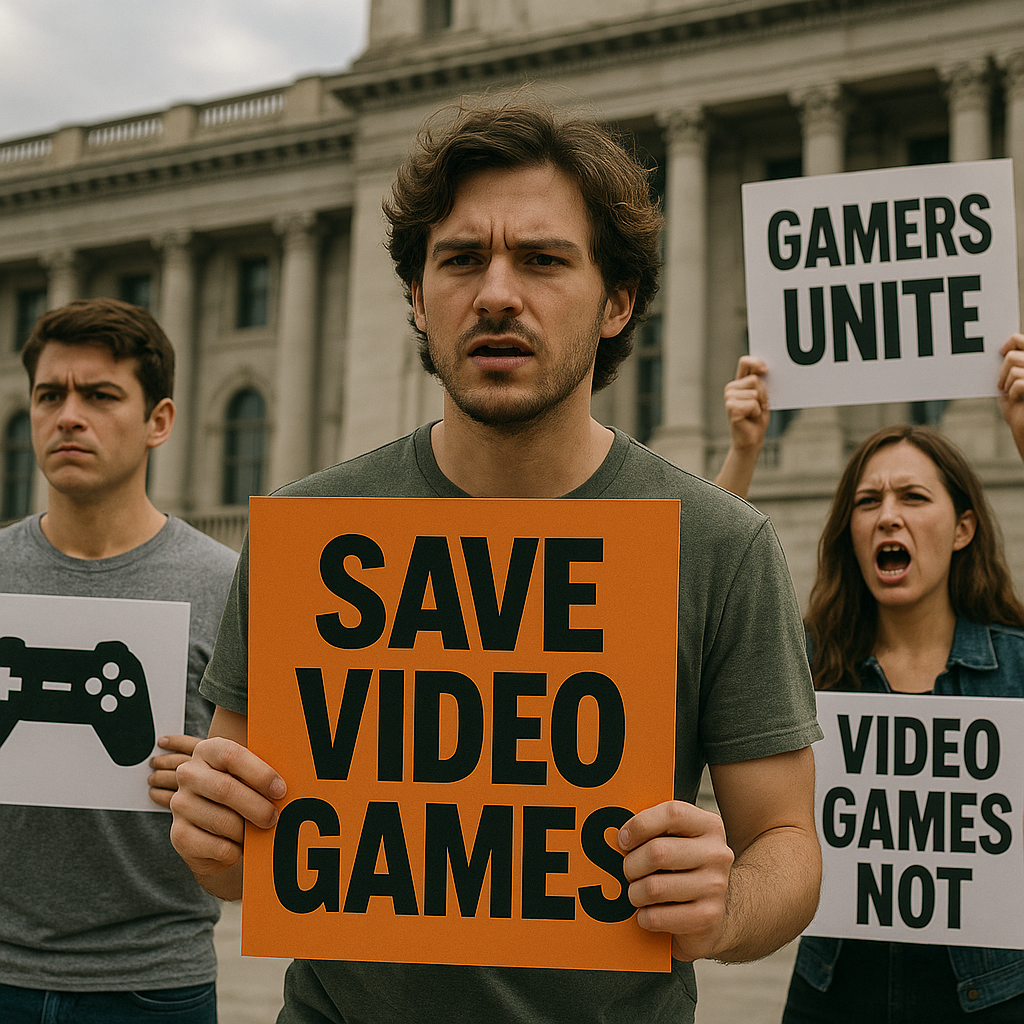
For those who’ve been living under a rock (or maybe just grinding through their backlog), Project 2025 is a comprehensive policy blueprint developed by conservative think tanks for the next Republican administration. And buried within its 900+ pages are proposals that could reshape the gaming landscape as we know it.
Overview of Project 2025
Before we dive into the gaming-specific nightmare fuel, let’s talk about what Project 2025 actually is. Because understanding the beast is the first step to fighting it.
What is Project 2025?
Project 2025, officially titled “Mandate for Leadership: The Conservative Promise,” is essentially a government takeover manual. Created by the Heritage Foundation and over 100 conservative organizations, it’s a detailed plan to restructure the federal government on day one of a potential Republican presidency.
The document is massive—think Dark Souls lore videos but for government policy. It covers everything from eliminating entire federal departments to rewriting civil service rules. But what caught my attention (and should catch yours) are the sections on technology, media, and “protecting children from harmful content.”
That last bit? That’s where gaming gets thrown under the bus.
Key Components Related to Video Games
Here’s where Project 2025 video games intersect in ways that should make every gamer nervous:
Content Control Through the FCC and FTC The plan calls for expanded Federal Communications Commission (FCC) and Federal Trade Commission (FTC) powers to regulate “digital content that harms minors.” Sounds reasonable until you realize their definition of “harm” includes violence, “gender ideology,” and “anti-family messaging.”
Translation? Say goodbye to any game with combat, LGBTQ+ characters, or stories about divorce.
Section 230 Elimination They want to gut Section 230 protections, which currently shield platforms from liability for user-generated content. For gaming, this means:
- No more user-created mods without pre-approval
- Chat functions could disappear overnight
- Streaming platforms would face massive liability
- Community forums? Dead on arrival
“Parental Rights” Enforcement The plan emphasizes aggressive enforcement of parental control measures, including:
- Mandatory age verification for all games (yes, even Candy Crush)
- Government-approved rating systems replacing the ESRB
- Real-name registration for online gaming
- Biometric data collection for age verification
(I can already hear the privacy advocates screaming. And they’re right to.)
Does Project 2025 Ban Video Games?
Alright, let’s address the elephant in the room—or should I say, the Bowser in the castle? Does Project 2025 actually ban video games outright?
The short answer: No, not explicitly.
The long answer: It doesn’t need to.
Examining the Claims
When people ask “does project 2025 ban video games,” they’re usually responding to viral posts claiming the document calls for outlawing gaming entirely. That’s not accurate. The word “video games” appears exactly zero times in the main document.
But here’s the thing—you don’t need to mention video games specifically when your policies would effectively destroy the industry anyway.
It’s like saying “we’re not banning cars, we’re just making gasoline illegal, requiring horses for all transportation, and limiting travel to walking speed.” Technically true, practically devastating.
Key Arguments For and Against the Ban
Arguments suggesting a de facto ban:
- Liability provisions would make most games financially unviable
- Content restrictions would eliminate 70% of current titles
- Compliance costs would bankrupt smaller studios
- International developers would exit the U.S. market
Arguments against calling it a ban:
- No explicit prohibition on video games
- Some “family-friendly” games could survive
- Educational games might receive exemptions
- Mobile casual gaming could continue (heavily regulated)
But let’s be real—if the only games that survive are sanitized educational titles and match-3 puzzles, is that really a gaming industry?
Is There a Legal Basis for a Video Game Ban?
Could project 2025 ban video games legally? That’s where things get murky. The First Amendment typically protects video games as expressive speech (thanks, Supreme Court!). But Project 2025 gets creative:
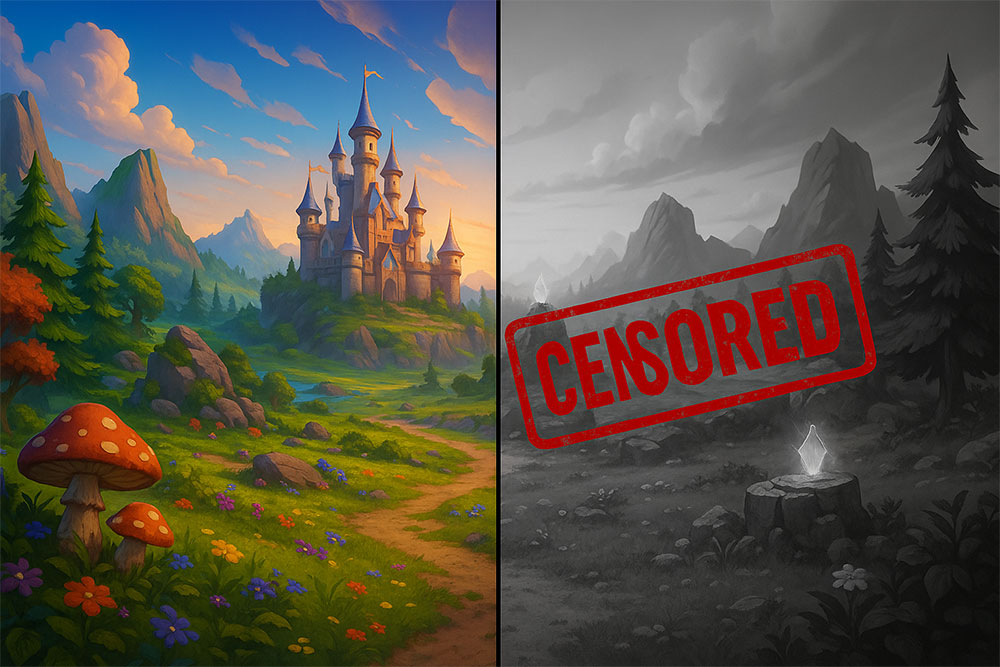
They don’t ban games—they just make them impossible to distribute. They don’t censor content—they just hold creators criminally liable for “harm.” They don’t restrict access—they just require invasive verification that no sane company would implement.
It’s death by a thousand cuts, each one technically legal, collectively lethal.

The Impact on Gamers
Now for the part that hits home—literally, in your gaming setup. How would Project 2025 video game regulations affect your daily gaming life?
Spoiler: It’s not pretty.
Potential Changes in Gameplay Experience
Remember booting up GTA, Diablo, or Call of Duty after a long day? Under Project 2025’s framework, those games might not exist in recognizable form. Here’s what gaming could look like:
Content Sanitization
- Violence reduced to cartoon levels (think 1990s Nintendo censorship on steroids)
- Romance options limited to heterosexual, married characters
- Complex moral choices replaced with binary good/evil options
- “Problematic” historical settings whitewashed or removed
Mandatory Interruptions
- Hourly “wellness checks” to prevent “gaming addiction”
- Educational messages about “appropriate values”
- Parental approval prompts for any in-game purchases
- Government PSAs during loading screens
Real-Name Requirements Gone are the days of xXNoobSlayer420Xx. Every player would need verified government ID linked to their account. Think China’s gaming regulations but with American characteristics.
Effects on Online Gaming and Communities
Online gaming would face the harshest restrictions. Why? Because “protecting children” apparently means destroying communities.
Project 2025 video game ban concerns center heavily on multiplayer experiences:
- Voice chat limited or eliminated entirely
- Text chat filtered through government-approved algorithms
- Guild/clan systems restructured to prevent “inappropriate associations”
- Cross-platform play banned without age verification across all systems
The social aspect of gaming—the very thing that got many of us through the pandemic—would be gutted.
Reactions from Gamers and the Gaming Community
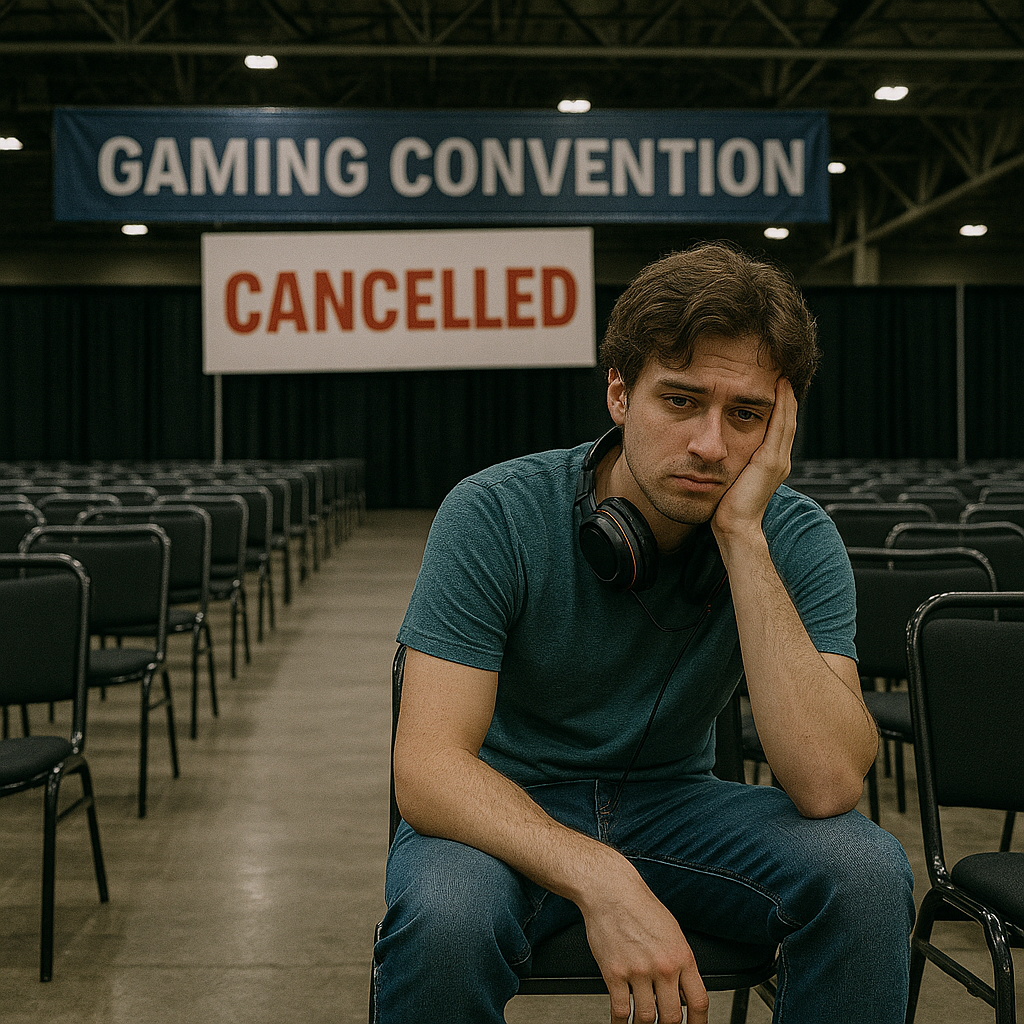
The gaming community’s response to Project 2025 ranges from disbelief to outrage to dark humor. Major streamers have started “Ban Speedruns,” seeing how quickly they can violate every proposed regulation.
Reddit’s r/gaming has daily threads documenting which games would be “2025-proof” (spoiler: not many). Discord servers are creating “digital bunkers” to preserve game communities offshore.
But beyond the memes, there’s real fear. Gamers who’ve built careers, friendships, and identities around gaming see their world under threat. And they’re not going down without a fight—or at least a strongly worded Discord message.
The Impact on Game Developers
If you think gamers have it bad, wait until you hear what developers face. Project 2025 banning video games might be hyperbole, but crushing the development industry? That’s the plan.
Changes to Game Development Practices
Imagine trying to create art while someone holds a gun to your head, except the gun is potential criminal charges and the someone is the federal government.
Development under Project 2025 would require:
- Pre-production content approval from government censors
- Mandatory “values consultants” on all projects
- Quarterly compliance audits during development
- Real-time monitoring of all game content and updates
The bureaucracy alone would add 40-60% to development costs. For indie developers? Forget it. You’d need a legal team larger than your dev team.
Regulations on Content Moderation
Gaming content moderation currently relies on community reporting and platform policies. Project 2025 would federalize this process with requirements including:
| Current System | Project 2025 System |
|---|---|
| Platform-based moderation | Federal oversight board |
| Community reporting | Mandatory reporting laws |
| Account suspension | Criminal penalties |
| ESRB ratings | Government content review |
| Industry self-regulation | Federal compliance officers |
Studios would need dedicated compliance departments just to navigate the regulations. One developer told me, “We’d spend more time documenting why a character can hold a sword than actually making the game fun.”
Virtual Reality Regulations and Their Consequences
VR gaming faces unique threats under Project 2025. Virtual reality regulations would include:
- Mandatory “reality checks” every 15 minutes
- Biometric monitoring to detect “unhealthy engagement”
- Content restrictions on “immersive violence”
- Age verification through retinal scanning
- Limits on play session duration
The stated goal? Preventing “reality dissociation.” The actual result? Killing VR innovation before it truly begins.
Meta, Valve, and Sony have already hinted they might abandon VR development for the U.S. market entirely. One VR developer put it bluntly: “Why invest billions in tech that the government will just ban anyway?”
Future of Gaming Under Project 2025
So where does this leave us? Let’s paint the full picture of gaming’s future if these policies take hold.
Summary of Potential Consequences
The cumulative impact of Project 2025 on gaming would be catastrophic:
Economic Devastation
- $180 billion U.S. gaming industry reduced by 70%
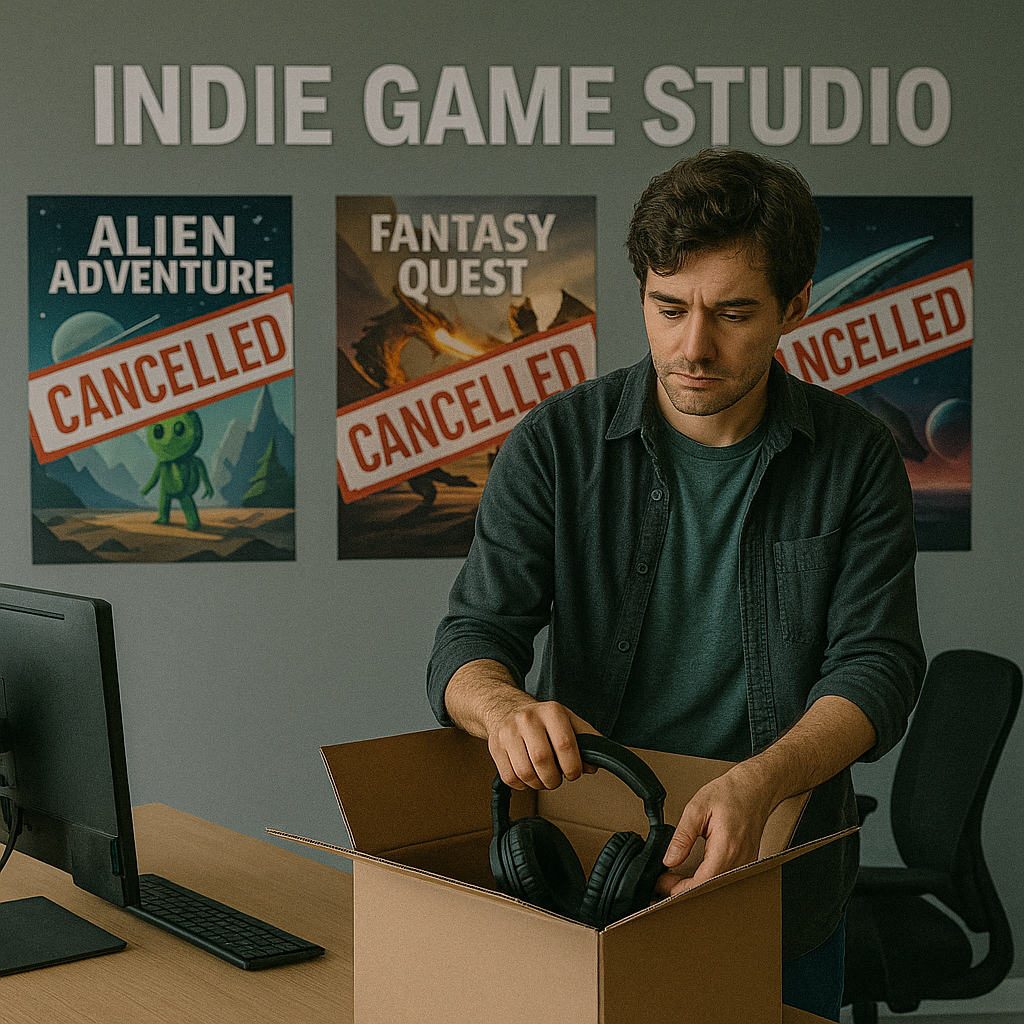
- 300,000+ jobs lost in first two years
- Major studios relocating overseas
- Indie development scene decimated
Cultural Impact
- Gaming loses its position as dominant entertainment medium
- Esports industry collapses without violent games
- Streaming and content creation severely restricted
- Gaming communities fragment and go underground
Technological Stagnation
- U.S. falls behind in game technology development
- VR/AR innovation moves entirely overseas
- AI and procedural generation research halted
- Cloud gaming services abandon U.S. market
International Isolation The U.S. gaming market, currently the world’s largest, would become a backwater. International developers would create two versions of games—one for America, one for everywhere else. Guess which one gets the full experience?
What the Future Holds for Gamers and Developers
Will project 2025 ban video games entirely? Probably not. But it doesn’t need to. By making games boring, expensive, and legally risky to create or play, it achieves the same result.
The future under these policies looks like:
- A handful of approved “family-friendly” titles
- Underground gaming communities using VPNs and offshore servers
- A massive black market for uncensored games
- American gamers becoming digital refugees
- The end of U.S. leadership in interactive entertainment
But here’s the thing—this isn’t inevitable. The gaming community has faced moral panics before. We survived Jack Thompson. We survived the “video games cause violence” congressional hearings. We can survive this too.
It requires vigilance, voting, and making our voices heard. Because if we learned anything from our favorite games, it’s that the boss battle is always winnable—you just need the right strategy.
The Hidden Dangers Nobody's Talking About
Here’s something that keeps me up at night—the secondary effects of Project 2025 video game policies that nobody’s discussing.
Data Harvesting Nightmare Those age verification systems? They’re not just checking if you’re 18. They’re building comprehensive profiles of every gamer in America. Play habits, social connections, political leanings—all extracted from your gaming data and handed to the government.
The Mental Health Crisis For millions, gaming isn’t just entertainment—it’s therapy, social connection, and identity. Ripping that away won’t protect anyone; it’ll create a mental health catastrophe. Studies on gender bias and discrimination show what happens when communities lose their spaces. This would be that on steroids.
Economic Warfare Think China will implement similar restrictions? Japan? South Korea? Of course not. They’ll dominate the global gaming market while America retreats into digital isolationism. We’re basically handing our economic competitors a $200 billion gift.
What You Can Do Right Now
Feeling helpless? Don’t. The gaming community is 3 billion strong worldwide, and we’re not exactly known for giving up easily.
Get Political (Yes, Really)
- Contact your representatives about Project 2025’s gaming implications
- Vote in every election—local, state, federal
- Support organizations fighting for digital rights
- Join gaming advocacy groups
Prepare for the Worst
- Back up your game libraries offline
- Learn about VPNs and digital privacy
- Support DRM-free platforms like GOG
- Build local gaming communities that can survive online restrictions
Spread Awareness Most gamers have no idea this is coming. Share information, start conversations, make noise. The first defense against bad policy is public awareness.
Want to get more involved? Check out remote volunteering opportunities or volunteer directly.
Conclusion
Project 2025 video games might sound like a weird conspiracy theory, but the threat is real, documented, and coming faster than you think. No, they’re not explicitly banning video games—they’re just creating a regulatory environment where games as we know them can’t exist.
From content restrictions that would make the Comics Code look liberal to surveillance systems that would make Big Brother jealous, every aspect of gaming faces existential threats. Developers would flee, communities would shatter, and American gaming would become a cautionary tale told in other countries’ game design schools.
But here’s what Project 2025’s authors don’t understand about gamers: We’re problem solvers. We’re community builders. We’re fighters. We’ve beaten impossible odds in virtual worlds, and we can beat them in the real world too.
The question isn’t whether Project 2025 can ban video games. The question is whether we’ll let them try.
Game on.
Frequently Asked Questions
Does Project 2025 want to ban video games with LGBTQ+ characters specifically?
While Project 2025 doesn’t explicitly mention LGBTQ+ content in games, its broad “protecting children from gender ideology” language would likely target any game featuring LGBTQ+ characters or themes. Games like The Last of Us Part II, Life is Strange, or The Sims would face censorship or removal under the proposed “anti-grooming” content restrictions, effectively creating a de facto ban on diverse representation in gaming.
How would Project 2025 video game regulations affect retro gaming and game preservation?
Project 2025’s regulations would devastate game preservation efforts. Emulation could be criminalized under expanded copyright enforcement, ROM sites would face shutdown, and even museums might struggle to preserve gaming history. The real-name requirements and age verification would apply retroactively, meaning classic online games would need expensive updates or face delisting. Your retro collection might become contraband overnight.
Can project 2025 ban video games that are already owned and downloaded?
Technically, they couldn’t confiscate your existing library, but they could make it worthless. Project 2025’s framework allows for mandatory “safety updates” that could remove content from games you’ve already purchased. Think of it like historical hysteria over media control—they don’t burn the books; they just make reading them illegal.
What happens to esports and competitive gaming under Project 2025 video game ban scenarios?
Competitive gaming would collapse under Project 2025. Most esports titles feature violence that would be restricted or banned. Real-name requirements would kill anonymous competition. International tournaments would exclude U.S. players due to regulatory incompatibility. The $1.4 billion U.S. esports industry would evaporate, with players and organizations relocating to countries with gaming freedom.
Would Project 2025 banning video games affect educational and serious games differently?
Educational games might receive exemptions, but only if they meet strict “values-based” criteria. Any educational game touching on evolution, climate change, diverse families, or critical thinking could face restrictions. “Serious games” for military or corporate training would likely continue, creating a two-tier system where the government and corporations have access to advanced gaming tech while citizens get sanitized edutainment.
How do virtual reality regulations in Project 2025 compare to existing VR guidelines internationally?
Project 2025’s virtual reality regulations would be the world’s most restrictive, surpassing even China’s limits. While other countries focus on motion sickness warnings and age recommendations, Project 2025 proposes biometric monitoring, mandatory break systems, and content pre-approval for all VR experiences. The regulations would effectively ban most VR gaming while claiming to protect users from “reality dissociation disorder”—a condition that doesn’t exist in medical literature.
Citations:
- Entertainment Software Association. (2024). “2025 Essential Facts About the U.S. Video Game Industry.” https://www.theesa.com/resources/essential-facts-about-the-us-video-game-industry/2025-data/
